

Use PAS for problem-aware audiences and direct-response assets like landing pages and retargeting ads; use AIDA for colder audiences and storytelling formats like video ads and email nurture sequences. The core difference is the emotional lever: PAS runs on pain and urgency, AIDA runs on aspiration and curiosity. Test both before you commit budget, but this is where to start.
TL;DR:
- PAS is most effective for problem-aware audiences and direct-response formats, leveraging loss aversion to create quick urgency.
- AIDA suits cold audiences and storytelling campaigns by building aspiration and curiosity over a longer, narrative-driven format.
- Split testing both frameworks with the same visuals and offers provides better insight, especially since retargeting favors PAS while prospecting favors AIDA.
- Hybrid structures combining elements of both frameworks work best for complex offers and longer sales funnels requiring education and urgency.
- Default to PAS for quick, warm traffic, but switch to AIDA when using video, storytelling, or targeting audiences unfamiliar with their problem.
Table of Contents
- What Is AIDA? A Practical Breakdown Of Attention, Interest, Desire, Action
- What Is PAS? The Problem-Agitation-Solution Model Explained
- PAS Vs AIDA: Structure, Emotional Lever, And Best-Fit Audience
- The Same Ad Written Two Ways: AIDA Vs PAS Side By Side
- How To Choose Between AIDA And PAS For Your Next Campaign
- How To A/B Test AIDA Against PAS And Actually Trust The Result
- When To Blend AIDA And PAS Into A Hybrid Structure
- Which Framework Should You Actually Default To?
- Where This Analysis Comes From
- Sources
What Is AIDA? A Practical Breakdown Of Attention, Interest, Desire, Action
AIDA maps out four stages a reader moves through before buying anything: Attention, Interest, Desire, Action. It's the older of the two frameworks, and it's built for audiences who don't know they have a problem yet, which is why it still dominates cold-audience prospecting.
Here's how to write each step so it actually pulls a reader through the funnel:
- Attention: Open with a bold claim, a strange statistic, or a visual hook that stops the scroll. This line has one job: earn the next sentence.
- Interest: Give the reader a reason this applies to them specifically. Ask a question, share a relatable scenario, or name their exact situation.
- Desire: Paint the outcome. Show them the version of their life or business where the problem is already solved. This is where benefits beat features.
- Action: Tell them exactly what to do next. One clear command, one button, no ambiguity.
The tone throughout leans aspirational. You're selling a better future, not fixing a current wound, which makes AIDA a natural fit for brand awareness campaigns, top-of-funnel video ads, and longer email sequences where you have room to build a narrative arc. It also tends to shine in categories where the purchase is more emotional than urgent: travel, lifestyle products, education, and anything where the reader is dreaming rather than scrambling for a fix.
Where AIDA struggles is short-form, high-friction placements. A 15-second TikTok ad rarely has time to build interest before desire kicks in, and a cramped landing page doesn't leave room for a slow-building narrative. That's usually where PAS takes over.
What Is PAS? The Problem-Agitation-Solution Model Explained
PAS strips copywriting down to three moves: Problem, Agitation, Solution. Instead of building toward desire, it starts with something the reader already feels and gets worse before it gets better.
- Problem: Name the specific pain point in language the reader already uses in their own head. No euphemisms.
- Agitation: Twist the knife a little. Show the cost of inaction, the compounding frustration, or the hidden consequence they haven't considered.
- Solution: Present your offer as the direct, obvious relief. Keep this part shorter than the agitation, not longer.
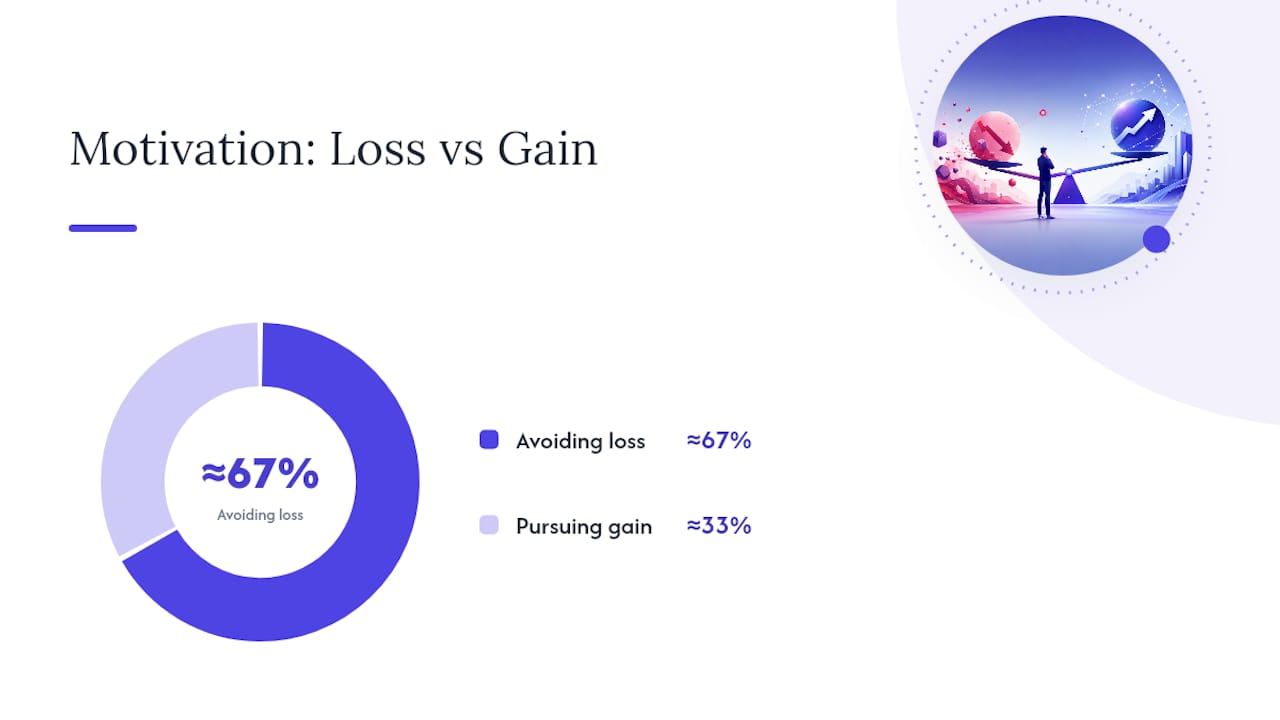
The emotional lever here is loss aversion, not aspiration. Behavioral research on decision-making shows people are roughly twice as motivated to avoid a loss as they are to chase an equivalent gain, which explains why agitating a known pain point creates faster urgency than painting a future benefit ever could, according to research summarized in PMC's behavioral economics literature.
That urgency is exactly why PAS is the preferred structure for direct-response formats: sales letters, landing pages, retargeting ads, and cart-abandonment emails. It's short, it's blunt, and it works best when the reader already knows they have a problem. Cold audiences who haven't identified their pain yet tend to bounce off a PAS opener because there's no attention-grabbing hook before the discomfort starts. That's the trade-off: PAS converts problem-aware traffic fast, but it can feel abrupt to someone encountering your brand for the first time.
PAS Vs AIDA: Structure, Emotional Lever, And Best-Fit Audience
The two frameworks aren't competing versions of the same idea. They solve different jobs at different points in the funnel, and the table below breaks down exactly where each one earns its place.
| Factor | AIDA | PAS |
|---|---|---|
| Structure (steps) | 4 steps: Attention, Interest, Desire, Action | 3 steps: Problem, Agitation, Solution |
| Opening move | A hook that earns attention | A pain point the reader already feels |
| Emotional lever | Aspiration and curiosity | Loss aversion and urgency |
| Best audience awareness stage | Cold to unaware | Problem-aware to solution-aware |
| Best channel / common uses | Video ads, brand campaigns, email nurture | Landing pages, retargeting, sales letters |
| Typical copy length fit | Longer form, room to build narrative | Short and blunt, concise by design |
The practical trade-off comes down to timing. AIDA needs space to build a case; PAS skips straight to the wound. If your traffic is cold, jumping straight into agitation without first earning attention just reads as aggressive, and readers close the tab before you get to the solution.
Practitioner-reported split tests back this up directly. Retargeting campaigns, where the audience already clicked once and knows the pain point, tend to favor PAS, while cold prospecting campaigns tend to favor AIDA, with reported swings in percentage points in either direction depending on funnel stage. Treat those numbers as directional rather than universal. Your audience, offer, and platform will shift the exact margin, but the pattern holds across enough campaigns to use as a starting hypothesis rather than a coin flip.
The Same Ad Written Two Ways: AIDA Vs PAS Side By Side
Nothing clarifies the difference faster than watching one offer get written twice. Here's a short ad for a fictional productivity app, run through both structures.
AIDA version:
Imagine finishing your workday with an empty inbox and zero open tabs. (Attention: aspirational image) Most people spend 3 hours a day just deciding what to do next. (Interest: relatable stat) With FlowTrack, your priorities sort themselves the moment you log in, so you spend that time actually working instead of planning. (Desire: benefit-driven outcome) Start your free trial today. (Action: single clear command)
PAS version:
You open your task list and immediately feel behind. (Problem: named pain) Every day it doesn't get organized, more tasks pile on top, deadlines slip, and you start dreading Monday mornings before Sunday night is even over. (Agitation: compounding cost) FlowTrack sorts your priorities automatically, so the pile never builds up again. Start your free trial today. (Solution: fast, direct relief)
Notice the annotation pattern: AIDA spends two sentences building before it sells the feeling, while PAS gets to the discomfort in the first sentence and keeps the solution short by design. For a 15-second social ad, you'd trim the AIDA version's interest line and lean harder on the visual hook. For a longer landing page, you'd stretch the PAS agitation section to two or three paragraphs instead of one, since a bigger investment decision usually needs more discomfort named before the reader trusts the solution.
How To Choose Between AIDA And PAS For Your Next Campaign
Run through this checklist before you write a single headline:
- Check audience awareness first. Cold or unaware traffic responds better to AIDA's slower build. Problem-aware or solution-aware traffic, especially retargeting audiences, responds faster to PAS.
- Match the channel to the format. Short-form social ads and landing pages favor PAS's concision; longer emails, video scripts, and brand storytelling favor AIDA's room to breathe.
- Map the campaign goal to the framework. Brand awareness and top-of-funnel lead generation lean AIDA. Direct conversion, cart recovery, and bottom-funnel retargeting lean PAS.
- Consider the offer's complexity. Simple, well-understood offers can go straight to PAS. Complex or unfamiliar offers usually need AIDA's interest-building step first to explain what the reader is even looking at.
- When in doubt, test both. Don't guess your way to a final answer when a split test settles it in two weeks.
Pro Tip: If you're not sure which awareness stage your audience sits in, check your ad comments before you check your copy. Confused questions in the comments mean you're colder than you think and need AIDA's slower build; comments describing the pain point unprompted mean your audience is already agitated and ready for PAS.
How To A/B Test AIDA Against PAS And Actually Trust The Result
Keep everything constant except the framework. Same visuals, same offer, same targeting, same budget. The only variable that changes between your two ad variants should be the copy structure itself.
Track these metrics in order of priority:
- Primary: click-through rate (CTR) and conversion rate (CVR), since these show whether the hook and the close are actually doing their jobs.
- Secondary: cost per acquisition (CPA) and return on ad spend (ROAS), which tell you whether the winning framework is also the profitable one.
- Engagement signals: comment sentiment, save rate, and share rate, which often reveal why one version is winning before the CPA data catches up.
For runtime, give each variant enough time to reach a meaningful sample rather than calling a winner on day two. Most practitioners run tests for at least a week or two and wait until each variant collects several hundred conversions before trusting the result, using engagement rate benchmarks as an early directional signal while the conversion data catches up. If your traffic volume is low, lean on CTR and comment sentiment as leading indicators rather than waiting on a conversion count you might not hit for months.
Don't ignore the qualitative layer. Heatmaps showing where readers stop scrolling on a PAS-structured landing page, or comments asking "wait, what does this actually do?" on an AIDA-structured ad, often flag a structural problem before the numbers do. If you're testing landing-page variants specifically, a page built with conversion-focused UX removes friction that can quietly skew which framework looks like it's winning.
When To Blend AIDA And PAS Into A Hybrid Structure
Single frameworks work best on simple offers with a single clear buying trigger. Complex offers, longer funnels, and high-ticket products often need more than one emotional lever in the same piece of copy, which is why hybrid structures show up so often in practitioner reporting.
A common recipe: open with an AIDA-style attention line to earn the scroll, drop into a PAS-style agitation paragraph to build urgency, then close with a Before-After-Bridge (BAB) transformation that shows the reader their life on the other side of the fix. This sequence balances the two jobs a piece of copy has to do: get noticed, then convert.
- Use hybrids when the offer requires education and urgency in the same piece.
- Use hybrids for longer landing pages or sales letters where you have room for all three phases.
- Skip hybrids for short-form social ads. You usually don't have the character count to pull off three transitions cleanly.
Pro Tip: Write the hybrid in this order: attention line, agitation paragraph, solution, then go back and cut the interest and desire sentences from your original AIDA draft that now feel redundant next to the agitation. Hybrids fail more often from bloat than from bad structure.
Which Framework Should You Actually Default To?
My default is PAS, and it's not close. Most performance marketing budgets go toward retargeting and bottom-funnel traffic, and that's exactly the terrain where naming a pain point beats painting a dream. It's shorter to write, faster to test, and it tends to convert warm traffic without wasting words on a hook that traffic doesn't need.
Two exceptions change my answer. First, any campaign built on video or storytelling, where the format itself demands a slower build. Second, genuinely cold prospecting, where the audience hasn't identified the problem you're solving, and jumping to agitation just sounds like a stranger yelling about a problem they didn't know they had. In both cases, AIDA earns its keep.
Test it anyway. Your audience, offer, and platform will occasionally break the pattern.
— James
Where This Analysis Comes From
The comparative claims in this piece draw on a handful of sources worth reading directly if you want to dig deeper. Crazy Egg's breakdown of AIDA versus PAS lays out both structures clearly and argues for PAS as the simpler default. Conversion.studio's analysis supplies the practitioner-reported split-test patterns behind the retargeting-versus-prospecting split. The behavioral-economics research summarized on PMC explains the loss aversion mechanics underneath PAS's urgency. And Leadenforce's piece on digital ad formats covers how both frameworks adapt to modern ad placements and hybrid structures.
If you'd rather skip the manual testing cycle and get a steady stream of fresh ad variations to run these frameworks against, Jamesyee's ad creative service turns one raw video into a batch of ready-to-test ad variations within 24 to 48 hours, built by dedicated virtual assistants who handle the editing so you can focus on which framework wins.
Sources
- AIDA vs PAS: My Pick on Which Formula to Use and Why
- AIDA vs PAS: Which Copywriting Framework Wins?
- PMC article on decision-making / behavioral economics
- AIDA, PAS, and Beyond: Classic Copywriting Models in the Age of Digital Ads